Volume Control Damper In Nagaland
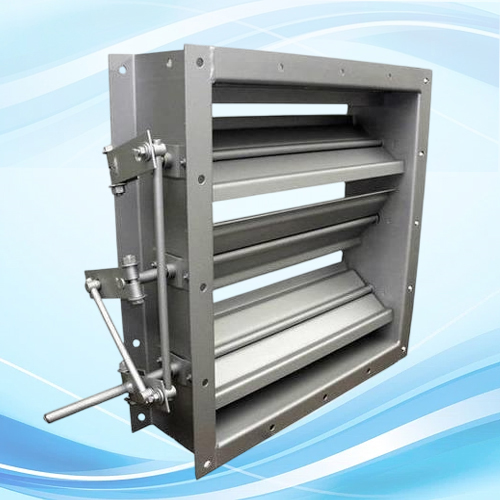
Product Overview
Volume Control Damper in Nagaland
Proper airflow distribution is essential for an efficient heating, ventilation and air conditioning (HVAC) system. A volume control damper regulates the amount of air passing through ductwork, helping balance airflow between different rooms, zones and ventilation outlets. It is used in commercial buildings, industrial facilities and other applications where controlled air distribution is required.
Konark India Engineering offers HVAC equipment for different building and industrial requirements. If you are looking for a Volume Control Damper in Nagaland, selecting the right damper involves considering duct dimensions, airflow requirements, operating conditions and the type of adjustment mechanism needed for the application.
What Is a Volume Control Damper?
A volume control damper is a mechanical device installed inside an air duct to regulate airflow. It generally uses one or more movable blades that change position to increase or decrease the air passing through the duct. Depending on the design, the blades may be adjusted manually or through an actuator.
A Volume Control Damper in Nagaland may be suitable for new HVAC installations, ductwork modifications and ventilation system upgrades. Its primary function is to help distribute air according to the system design rather than allow uncontrolled airflow through every branch.
Correct damper selection and adjustment can support air balancing, occupant comfort and efficient operation. However, the final result also depends on fan performance, duct resistance, system controls and the overall HVAC design.
Volume Control Damper Manufacturer in Nagaland
Konark India Engineering offers HVAC equipment for commercial and industrial applications. When evaluating a Volume Control Damper Manufacturer in Nagaland, buyers should consider the proposed damper construction, dimensions, blade arrangement, operating mechanism and compatibility with the intended ductwork.
A suitable damper must fit the duct opening and provide the required degree of airflow regulation. Depending on the application, the design may use parallel or opposed blade arrangements. The appropriate option depends on the intended control function and the system's airflow requirements.
Before placing an order, confirm the available construction materials, casing thickness, blade configuration, connection details and adjustment mechanism with the manufacturer. These specifications should be documented in the technical quotation rather than assumed from the product category alone.
Volume Control Damper Supplier in Nagaland
As a buyer evaluating a Volume Control Damper Supplier in Nagaland, it is important to provide accurate project information before requesting a quotation. HVAC contractors, consultants, facility managers and procurement teams should share duct dimensions, installation drawings, required quantities and operating requirements.
For replacement projects, the existing damper dimensions and connection arrangement can help establish compatibility. For new installations, the damper should be coordinated with the duct layout, air distribution strategy and commissioning requirements.
Buyers should also confirm the agreed scope of supply, delivery terms, material specifications and whether installation or commissioning assistance is included. Clear documentation makes supplier comparisons more useful and helps reduce avoidable specification errors.
Types of Volume Control Dampers
Different damper designs serve different airflow regulation requirements. The selection should reflect the duct configuration and intended operating function.
-
Single-blade damper: Uses one adjustable blade and may be suitable for smaller duct sections, depending on the design.
-
Multi-blade damper: Uses several blades to regulate airflow across a larger duct opening.
-
Parallel-blade damper: Blades rotate in the same direction and may be used for particular airflow control arrangements.
-
Opposed-blade damper: Adjacent blades rotate in opposite directions, providing a different airflow adjustment pattern.
-
Manual damper: Uses a hand-operated mechanism to adjust blade position.
-
Motorized damper: Uses an actuator for remote or automated adjustment when integrated with compatible controls.
Not every design is appropriate for every application. A damper intended for basic balancing may have different requirements from one used in an automated HVAC control system.
Key Features and Functional Benefits
A properly selected volume control damper helps regulate the air moving through a duct network. Its practical benefits depend on the quality of the design, correct installation and appropriate system balancing.
Airflow adjustment: Changes the effective opening within the duct to control the amount of air passing through a branch or section.
Air distribution: Helps distribute air between different zones according to the design requirements.
System balancing: Supports commissioning by allowing airflow to be adjusted at selected points in the ductwork.
Control integration: Motorized configurations can work with suitable control systems when the required actuator and interface are specified.
Maintenance access: An appropriate installation arrangement can make inspection and adjustment easier.
A well-chosen HVAC Air Volume Control Damper contributes to effective air distribution, but it does not independently guarantee energy savings or correct system performance. Fan selection, duct design, filter condition and control settings also affect the final result.
Applications of Airflow Regulation Dampers
An Airflow Regulation Damper can be used wherever ducted air needs to be adjusted or balanced. Common applications include:
-
Commercial offices and business complexes
-
Shopping centres and retail buildings
-
Hotels and hospitality facilities
-
Hospitals and institutional buildings
-
Manufacturing plants and industrial workspaces
-
Educational institutions
-
Central air-conditioning systems
-
Fresh-air and exhaust ventilation networks
-
Warehouses and large commercial facilities
In an office building, dampers may help balance air delivery between rooms with different ventilation demands. In industrial facilities, they can be used to regulate airflow across selected duct branches. The exact application should be assessed against the required air volume, pressure conditions and system layout.
How to Select the Right Volume Control Damper
When sourcing a Volume Control Damper in Nagaland, start by confirming the duct shape and dimensions. Rectangular and circular ducts may require different damper arrangements, so accurate measurements are essential.
Next, establish the required airflow and the pressure conditions under which the damper will operate. Consider whether manual adjustment is sufficient or whether the system requires motorized control. For automated installations, verify actuator compatibility, power requirements and control-system interfaces.
Material selection is another consideration. The appropriate casing and blade material depend on the environment, temperature, humidity and exposure to corrosive substances. Where hygiene, moisture or demanding industrial conditions are important, confirm material suitability with the equipment provider.
Finally, consider installation access and commissioning. The damper should be positioned so that its adjustment mechanism remains accessible and the installed equipment can be inspected when necessary.
Why Choose Konark India Engineering?
Konark India Engineering provides HVAC equipment for commercial and industrial requirements. When discussing a project with a Volume Control Damper Manufacturer in Nagaland, provide the technical details needed to assess the intended application and confirm which configuration is available.
Procurement teams considering a Volume Control Damper Supplier in Nagaland should request clear documentation covering dimensions, materials, blade arrangement, operating mechanism and the agreed scope of supply. These details make it easier to evaluate suitability before purchase.
Request a Quotation
For a Volume Control Damper in Nagaland, contact Konark India Engineering with your duct dimensions, required quantity, application details and preferred adjustment mechanism. Drawings or an existing equipment schedule can help clarify the specification.
What Our Clients Say
Trusted by businesses across India for reliable HVAC solutions and support.
Volume Control Damper Available Across Locations
Common
Questions
Find answers to common questions about our HVAC products, manufacturing process, and services.
Ask a Question