Round Damper In Haryana
Product Overview
Round Damper in Haryana
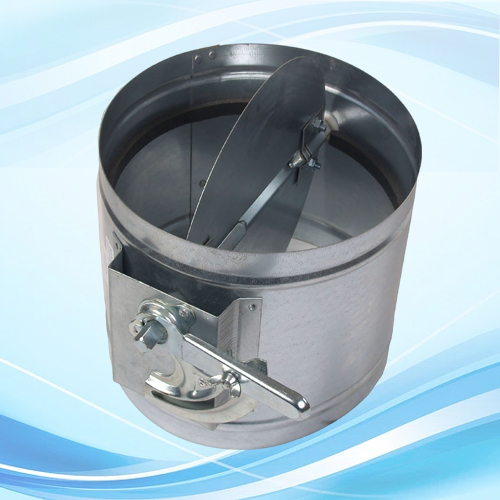
Round dampers are used in HVAC and ventilation systems to regulate, balance, or control airflow through circular ductwork. They help HVAC contractors adjust air distribution according to the requirements of individual rooms, ventilation zones, and connected equipment. Selecting the right Round Damper in Haryana involves checking duct diameter, airflow requirements, operating conditions, installation access, and the type of control needed.
Circular duct systems are common in commercial buildings, industrial facilities, offices, retail spaces, and other properties that require controlled air distribution. A suitable damper can support system balancing and help maintenance teams adjust airflow when the building layout or ventilation requirements change.
Konark India Engineering serves HVAC-related requirements, where product selection should be guided by the duct design and the project’s technical specifications. Before choosing a product, buyers should confirm whether they need manual adjustment, a locking arrangement, or an actuator-operated configuration.
What Is a Round Damper?
A round damper is a device fitted into circular ductwork to control the passage of air. Depending on its design, it may use a rotating blade or disc connected to a shaft or adjustment mechanism. Changing the blade position alters the available airflow passage, allowing the system to be adjusted for the intended operating condition.
A Round Damper in Haryana may be considered for new HVAC installations, ventilation upgrades, or maintenance projects where circular ducts are already in use. The selected design should match the duct dimensions and the control function required by the system.
Round dampers are not automatically airtight shut-off devices. Their leakage performance, pressure limitations, and suitability for isolation depend on the specific construction and product documentation. Where precise airflow control or a particular leakage class is required, the project team should verify these details before ordering.
Types of Round Dampers
The appropriate damper configuration depends on how the HVAC system will be operated and maintained. Common options include:
-
Manual round dampers: Adjusted by hand using a lever or similar mechanism. They can be useful where airflow settings do not need frequent remote changes.
-
Locking round dampers: Include a means of securing the selected blade position to help prevent unwanted adjustment.
-
Motorized round dampers: Use an actuator for operation through a control system when required by the design. Actuator compatibility and operating requirements should be checked.
-
Balancing dampers: Used to adjust airflow distribution within a duct network during system commissioning and balancing.
A Circular HVAC Damper should be chosen according to the intended function rather than appearance alone. For example, a damper intended for routine balancing may have different requirements from one used for automatic control or isolation.
Round Damper Manufacturer in Haryana
When evaluating a Round Damper Manufacturer in Haryana, buyers should consider construction quality, dimensional accuracy, ease of adjustment, and compatibility with the specified duct system. A damper must fit the circular duct correctly and provide the intended level of airflow control without creating unnecessary installation difficulties.
Important points to confirm include:
-
Duct diameter: Verify the required nominal diameter and the connection arrangement.
-
Material and finish: Choose materials suitable for the installation environment, operating conditions, and project requirements.
-
Blade and shaft construction: Check that the mechanism is appropriate for the intended frequency of adjustment and operating conditions.
-
Adjustment mechanism: Confirm whether manual operation, position locking, or actuator-based control is required.
-
Technical information: Review available dimensional drawings, operating instructions, and performance data relevant to the application.
A Round Damper Manufacturer in Haryana should be assessed on the product’s suitability for the actual installation, not simply on the quoted price. Clear technical information helps HVAC consultants, contractors, and procurement teams make more informed decisions.
Round Damper Supplier in Haryana
Working with a knowledgeable Round Damper Supplier in Haryana can help buyers coordinate the required sizes, quantities, and configurations before procurement. This is especially useful for projects involving multiple duct branches, several ventilation zones, or phased installation schedules.
Before placing an order, provide the duct diameter, quantity, installation location, preferred control method, and any project-specific requirements. If the damper is intended for an existing system, share the available dimensions and connection details so compatibility can be assessed.
A Round Damper Supplier in Haryana should also help clarify the product details available for review. For projects requiring a specific pressure rating, leakage performance, temperature range, or control-system interface, obtain confirmation from the product documentation instead of assuming that all round dampers offer the same capabilities.
Features and Benefits of Round Dampers
Round dampers can offer practical advantages when correctly specified and integrated into an HVAC system.
-
Adjustable airflow: Helps regulate the volume of air passing through a circular duct.
-
System balancing: Supports the adjustment of airflow across different branches during HVAC commissioning.
-
Flexible control options: Depending on the model, operation may be manual or actuator-based.
-
Space-conscious installation: A circular form can integrate into suitably designed round ductwork.
-
Maintenance access: Accessible adjustment mechanisms can make inspection and airflow readjustment more convenient.
-
Application flexibility: Different configurations can be considered for ventilation, air distribution, and selected process-air applications.
A Round Air Duct Damper should always be matched to the operating requirements of the system. Correct sizing and installation are important because an unsuitable or poorly adjusted damper can affect airflow, system pressure, and overall ventilation performance.
Applications of Round Dampers
Round dampers are used in a variety of environments where circular ductwork is part of the air-distribution arrangement. Typical applications include:
-
Commercial offices and business buildings
-
Shopping centres and retail spaces
-
Hotels, restaurants, and hospitality facilities
-
Hospitals and healthcare buildings, subject to the applicable system requirements
-
Factories and industrial workshops
-
Warehouses and storage facilities
-
Educational institutions
-
Residential and multi-storey buildings
-
Ventilation systems serving equipment rooms and service areas
For a Round Damper in Haryana project, the selection should account for the purpose of the duct, required airflow, available installation space, and whether the damper will be adjusted manually or automatically.
How to Choose the Right Round Damper
Use the following checklist before finalizing a product:
-
Measure the duct: Confirm the actual duct diameter and connection dimensions.
-
Define the purpose: Establish whether the damper is for balancing, routine airflow adjustment, or automatic control.
-
Check operating conditions: Consider air temperature, pressure, expected airflow, and the environment surrounding the installation.
-
Select the operating mechanism: Choose manual or motorized operation based on system requirements.
-
Review access requirements: Ensure the adjustment mechanism can be reached for installation and future maintenance.
-
Confirm compatibility: For motorized systems, verify actuator specifications and control-system compatibility.
-
Check documentation: Request the relevant product dimensions and performance details required for approval.
These checks help project teams compare options and reduce the likelihood of selecting a damper that does not suit the intended duct arrangement.
Installation and Maintenance
Correct installation helps a round damper perform as intended. The installer should confirm that the duct opening and connections are suitable, the blade moves freely, and the adjustment mechanism remains accessible. Any specified direction, mounting arrangement, or actuator position should follow the product instructions and approved HVAC drawings.
During commissioning, airflow should be measured and adjusted as required by the system design. After adjustment, the blade position can be secured where the product provides a locking mechanism. For motorized models, the actuator and control response should be checked according to the system requirements.
Routine maintenance may include checking for dust accumulation, inspecting moving parts, confirming that the blade operates smoothly, and reviewing any loose connections or signs of wear. Maintenance frequency depends on the installation environment and the equipment manufacturer's guidance.
Frequently Asked Questions
1. What is a round damper used for?
A round damper regulates airflow through circular ductwork. It is commonly used for ventilation adjustment, air balancing, and selected airflow-control applications.
2. How do I select the correct round damper size?
Measure the duct diameter and confirm the connection arrangement. Also consider airflow, operating pressure, installation space, and the control function required by the HVAC system.
3. Are round dampers available with motorized operation?
Some configurations use actuators for automatic operation. Confirm actuator compatibility, control requirements, and the operating specifications of the selected model before ordering.
4. Can round dampers be used in commercial and industrial buildings?
Yes, they may be used in offices, retail spaces, factories, warehouses, and other facilities with suitable circular ductwork. The damper must be appropriate for the operating conditions and intended application.
5. What should I ask a supplier before purchasing?
Ask about available diameters, construction materials, operating mechanism, connection details, and relevant technical documentation. For projects with specific performance requirements, obtain confirmation against the project specifications.
6. Why is correct installation important?
Incorrect installation or adjustment can restrict airflow, affect system balancing, or prevent the damper from operating smoothly. Following the product instructions and checking operation during commissioning helps support reliable performance.
Contact Konark India Engineering
For your Round Damper in Haryana requirements, contact Konark India Engineering to discuss duct dimensions, operating preferences, quantities, and project specifications.
What Our Clients Say
Trusted by businesses across India for reliable HVAC solutions and support.
Round Damper Available Across Locations
Common
Questions
Find answers to common questions about our HVAC products, manufacturing process, and services.
Ask a Question