Direct Expansion Cooling Coil In Uttar Pradesh
Product Overview
Direct Expansion Cooling Coil in Uttar Pradesh
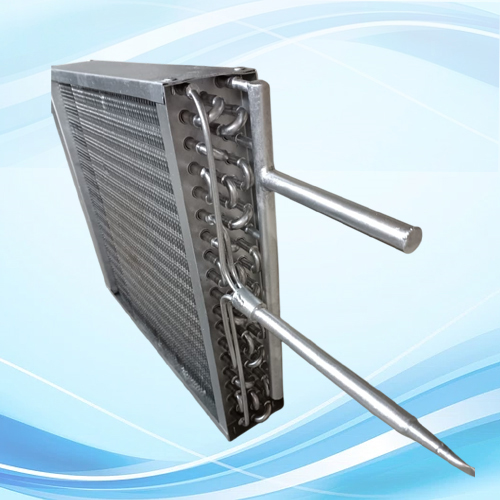
Direct expansion cooling coils are essential components in HVAC systems that use refrigerant to cool air directly. They are commonly used in air handling units, packaged air-conditioning equipment and other cooling applications where refrigerant-based heat exchange is required. Selecting the right coil helps ensure compatibility with the refrigeration circuit, airflow requirements and intended operating conditions.
Konark India Engineering offers HVAC equipment for commercial and industrial applications. If you are looking for a Direct Expansion Cooling Coil in Uttar Pradesh, consider the required cooling capacity, refrigerant compatibility, airflow, coil dimensions and installation conditions before finalizing the equipment.
What Is a Direct Expansion Cooling Coil?
A direct expansion (DX) cooling coil is a heat exchanger in which refrigerant absorbs heat directly from the air passing over the coil surface. The refrigerant evaporates inside the coil tubes, extracting heat from the warmer air and lowering its temperature before the conditioned air enters the connected space.
Unlike a chilled water coil, which uses circulating chilled water as the cooling medium, a DX coil operates as part of a refrigeration circuit. Its performance depends on refrigerant properties, evaporating conditions, airflow, coil construction and the correct matching of associated refrigeration components.
A Direct Expansion Cooling Coil in Uttar Pradesh may be suitable for commercial air-conditioning systems, industrial ventilation applications and equipment requiring refrigerant-based air cooling.
Direct Expansion Cooling Coil Manufacturer in Uttar Pradesh
When evaluating a Direct Expansion Cooling Coil Manufacturer in Uttar Pradesh, buyers should assess the coil's construction, refrigerant compatibility, heat-transfer requirements and suitability for the intended HVAC system.
DX coils generally use tube-and-fin construction to provide a heat-transfer surface between the refrigerant and passing air. Copper tubes and aluminium fins are common industry options, although the appropriate materials depend on the equipment design and operating environment. The exact construction offered for a particular configuration should be confirmed before ordering.
Coil selection involves more than physical dimensions. The required capacity must be evaluated at the specified entering-air conditions, airflow rate, refrigerant and evaporating temperature. Tube circuits and refrigerant distribution also affect how effectively the coil uses its heat-transfer surface.
Providing an equipment schedule, existing coil drawing or refrigeration system details can help establish the appropriate configuration for a new installation or replacement project.
Direct Expansion Cooling Coil Supplier in Uttar Pradesh
A Direct Expansion Cooling Coil Supplier in Uttar Pradesh should be able to clarify the available equipment configuration and the technical information required for procurement. HVAC contractors, consultants, OEMs, facility managers and industrial buyers should share their application requirements before requesting a quotation.
For replacement projects, provide the existing coil dimensions, connection details, refrigerant type and available equipment information. These details help determine whether the proposed coil can fit the installation and work with the existing refrigeration system.
Before purchasing, confirm the agreed materials, dimensions, design conditions, supply scope and delivery terms. Installation, commissioning and technical support should also be clarified rather than assumed to be included in the quotation.
Key Features and Technical Considerations
A DX coil is selected according to the cooling duty and the refrigeration system in which it will operate. Important considerations include:
-
Heat-transfer construction: Tube and fin arrangements influence heat exchange between refrigerant and air.
-
Refrigerant compatibility: Materials, operating pressure and coil design must suit the specified refrigerant.
-
Airflow requirements: Air volume affects heat transfer, pressure drop and the performance of the connected equipment.
-
Coil dimensions: Face area and depth must fit the available equipment section.
-
Refrigerant circuiting: The distribution of refrigerant through the coil should support the intended operating conditions.
-
Drainage provisions: Cooling below the air's dew point can produce condensate, so suitable collection and drainage arrangements may be necessary.
-
Maintenance access: Coil surfaces should be accessible for inspection and cleaning.
A Direct Expansion Evaporator Coil must be matched with the refrigeration system's operating requirements. Capacity, refrigerant distribution and pressure conditions should be confirmed through appropriate technical selection rather than estimated from dimensions alone.
Applications of DX Cooling Coils
A DX Cooling Coil can support cooling requirements across several commercial and industrial environments, depending on the system design.
Common applications include:
-
Commercial offices and business buildings
-
Retail outlets and shopping complexes
-
Hotels and hospitality facilities
-
Industrial ventilation systems
-
Manufacturing facilities
-
Packaged air-conditioning equipment
-
Air handling units
-
Refrigeration-based process cooling systems
-
Selected institutional and educational buildings
The appropriate design varies by application. A commercial building may prioritize occupant comfort, while an industrial facility may need to account for process heat, operating schedules and environmental conditions. In each case, the coil should be selected according to the required cooling duty and the characteristics of the connected system.
How to Select the Right DX Cooling Coil
When sourcing a Direct Expansion Cooling Coil in Uttar Pradesh, begin by defining the required cooling capacity and the air conditions entering and leaving the coil. Airflow, refrigerant type, evaporating temperature and available installation space are important inputs for selection.
Next, review the refrigeration circuit and the compatibility of the proposed coil with the compressor, expansion device and other system components. An incorrectly matched coil can affect cooling performance and stable refrigeration operation.
Consider maintenance and operating conditions as well. Dust accumulation can reduce airflow and heat-transfer performance, while condensate management is important when moisture forms on the coil surface. Suitable filtration, routine inspection and cleaning help maintain the intended operating conditions.
For replacement applications, do not rely on the old coil's external dimensions alone. Confirm the original design conditions and operating specifications wherever possible. Ask for a technical proposal that identifies the proposed construction, refrigerant compatibility, design conditions and performance information.
Why Consider Konark India Engineering?
Konark India Engineering provides HVAC equipment for commercial and industrial requirements. Buyers should communicate their intended application, equipment constraints and technical specifications to determine whether the available coil configuration is suitable for the project.
A Direct Expansion Cooling Coil Manufacturer in Uttar Pradesh should be evaluated on the clarity of its technical documentation, the suitability of the proposed design and the ability to specify the relevant operating conditions. Confirm the actual manufacturing scope, available materials and technical support directly with the company.
Similarly, when considering a Direct Expansion Cooling Coil Supplier in Uttar Pradesh, request clear documentation of the agreed configuration, dimensions, delivery terms and supply scope. This supports a more informed procurement decision.
Request a Quotation
For a Direct Expansion Cooling Coil in Uttar Pradesh, contact Konark India Engineering with your required cooling capacity, airflow, refrigerant type, coil dimensions and application details. Existing equipment drawings or a technical schedule can help clarify the requirements for a new installation or replacement.
Konark India Engineering
Address: Plot No. 199, Deep Enclave-1, Uttam Nagar, New Uttar Pradesh – 110059
Phone: +91 9910208161
Email: konarkindia2021@gmail.com
Share your project requirements with the team to discuss the appropriate configuration and request a quotation.
Frequently Asked Questions
1. What is a direct expansion cooling coil?
A direct expansion cooling coil is a heat exchanger in which refrigerant absorbs heat directly from the air passing over its surface. It is used in refrigeration-based HVAC systems to lower air temperature.
2. How is a DX coil different from a chilled water coil?
A DX coil uses refrigerant as its cooling medium, while a chilled water coil transfers heat to chilled water circulating through its tubes. The choice depends on the HVAC system design and application.
3. Where are DX cooling coils commonly used?
They are used in air handling units, packaged air-conditioning equipment, commercial buildings and selected industrial cooling applications where refrigerant-based cooling is required.
4. Which details are needed to select a suitable coil?
Important details include cooling capacity, airflow, entering-air conditions, refrigerant type, evaporating temperature, coil dimensions and the operating requirements of the connected refrigeration system.
5. Can a DX coil replace an existing cooling coil?
Replacement may be possible if the new coil matches the required dimensions, refrigerant circuit, capacity and operating conditions. The existing equipment specifications should be checked before ordering.
6. How can DX coil performance be maintained?
Regular inspection, appropriate air filtration, cleaning of coil surfaces and proper condensate drainage help maintain performance. Maintenance should follow the equipment manufacturer's recommendations.
What Our Clients Say
Trusted by businesses across India for reliable HVAC solutions and support.
Direct Expansion Cooling Coil Available Across Locations
Common
Questions
Find answers to common questions about our HVAC products, manufacturing process, and services.
Ask a Question