Condenser Cooling Coil In Madhya Pradesh
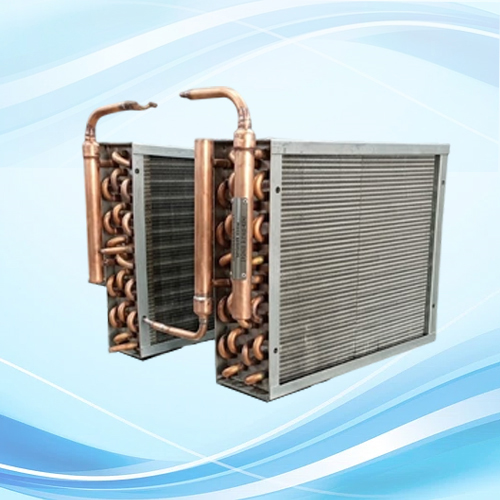
Product Overview
Condenser Cooling Coil in Madhya Pradesh
A condenser cooling coil is an important component in air-conditioning and refrigeration systems, where it helps transfer heat from the refrigerant to the surrounding air or another cooling medium. Its design and construction affect heat rejection, system efficiency, operating stability, and maintenance requirements. For commercial buildings, industrial facilities, and HVAC projects, choosing the right coil starts with understanding the operating conditions and equipment requirements.
Konark India Engineering provides cooling-coil solutions for HVAC applications, with selection based on the intended system, installation space, airflow requirements, and project specifications. When evaluating a Condenser Cooling Coil in Madhya Pradesh, buyers should consider heat-rejection requirements, coil dimensions, material compatibility, and the conditions in which the equipment will operate.
Understanding Condenser Cooling Coils
During the refrigeration cycle, the compressor delivers high-pressure, high-temperature refrigerant vapour to the condenser. The condenser coil releases heat from the refrigerant, allowing it to condense into a liquid before continuing through the system. This heat-transfer process is essential for maintaining the required cooling cycle.
A properly selected Condenser Cooling Coil in Madhya Pradesh should match the system’s heat load, refrigerant, airflow, and design conditions. A coil that is too small or poorly matched to the equipment may struggle to reject heat effectively. An unsuitable design can also contribute to higher operating pressures, reduced performance, or increased energy consumption.
Condenser coils are used in different configurations, including air-cooled systems and equipment designed for specific commercial or industrial applications. The right configuration depends on the refrigeration system, the available cooling medium, the installation environment, and the manufacturer’s design requirements.
Design and Construction Considerations
Coil construction influences heat transfer, durability, cleaning, and compatibility with the application. The appropriate design should be selected according to actual operating conditions rather than appearance or price alone.
Important considerations include:
-
Tube material: The material should be compatible with the refrigerant, operating conditions, and intended service environment.
-
Fin design: Fin spacing and geometry influence the available heat-transfer area and the resistance to airflow.
-
Coil dimensions: Length, height, depth, and circuit arrangement must fit the equipment and support the required heat-rejection capacity.
-
Airflow requirements: Fans, surrounding clearances, and the coil’s air-side resistance affect the overall performance of an air-cooled system.
-
Operating conditions: Ambient temperature, refrigerant conditions, and expected load variations influence coil selection.
-
Maintenance access: The arrangement should allow suitable access for inspection and cleaning.
An HVAC Condenser Coil should be selected as part of the complete system. Its performance depends not only on the coil itself but also on the compressor, fan arrangement, refrigerant circuit, controls, and installation conditions.
Applications of Condenser Cooling Coils
Condenser coils are used in refrigeration and air-conditioning equipment that must release heat during operation. Depending on the system design, common applications include:
-
Commercial air-conditioning and refrigeration systems
-
Industrial cooling equipment and process refrigeration
-
Cold-storage and temperature-controlled facilities
-
Condensing units used in suitable HVAC installations
-
Equipment serving commercial buildings, offices, and industrial spaces
An Air Cooled Condenser Coil transfers heat from refrigerant to ambient air, generally with the help of fans. Its performance depends on outdoor temperature, airflow, coil cleanliness, and the system’s operating load. Other condenser arrangements may use a different heat-rejection medium, so the required configuration should be confirmed before selecting a replacement or new coil.
For project buyers, choosing a Condenser Cooling Coil in Madhya Pradesh requires attention to both the equipment specification and the site environment. Dust accumulation, restricted ventilation, high ambient temperatures, and inadequate maintenance access can affect real-world performance.
Condenser Cooling Coil Manufacturer in Madhya Pradesh
When selecting a Condenser Cooling Coil Manufacturer in Madhya Pradesh, buyers should evaluate whether the proposed coil can meet the intended application and fit the equipment correctly. Clear technical communication is important, particularly for replacement coils, custom dimensions, and projects with limited installation space.
Before finalising a design, confirm the required capacity, refrigerant type, operating pressure, tube and fin materials, circuit arrangement, connection positions, and overall dimensions. These details help reduce the risk of ordering a coil that does not match the existing system.
Konark India Engineering can be contacted to discuss project requirements and identify the technical information needed for a suitable coil solution. Final specifications should be confirmed against the actual application and equipment design.
Condenser Cooling Coil Supplier in Madhya Pradesh
A reliable Condenser Cooling Coil Supplier in Madhya Pradesh should help buyers clarify specifications before procurement. This is especially important when a coil is being replaced, because the original dimensions alone may not confirm that the replacement will deliver the required heat-rejection performance.
When requesting a quotation, share available drawings, equipment details, photographs of the existing coil, refrigerant information, operating conditions, and connection measurements. If a technical data sheet is available, include it with the enquiry. This information helps the supplier understand the application and determine which details still require confirmation.
For buyers comparing a Condenser Cooling Coil Supplier in Madhya Pradesh, quotations should be assessed on specification compatibility, material details, dimensions, pressure requirements, and the scope of supply—not price alone.
How to Select the Right Coil
Use the following checklist when evaluating a Condenser Cooling Coil in Madhya Pradesh for a new installation or replacement project:
-
Confirm the heat-rejection requirement. The condenser must handle the heat removed from the refrigerated space or process as well as the heat added by the compressor.
-
Identify the refrigerant and operating conditions. These determine important design and pressure requirements.
-
Review airflow and installation clearances. Poor airflow or recirculation of hot discharge air can reduce heat-rejection performance.
-
Choose compatible materials. Tube, fin, and casing materials should suit the application and its corrosion environment.
-
Check dimensions and connections. Verify the available space, connection locations, and refrigerant circuit requirements.
-
Plan inspection and cleaning. Accessible coils are easier to maintain, while damaged or dirty fins can restrict airflow and reduce heat transfer.
Correct coil selection involves balancing heat-transfer capacity with refrigerant-side and air-side pressure drops. The required balance depends on the complete system, so design decisions should be based on verified operating data rather than assumptions.
Maintenance and Performance
Routine inspection helps maintain heat transfer and identify issues before they affect system operation. For air-cooled equipment, inspect the coil surface for dust, debris, bent fins, corrosion, and airflow obstructions. Keep the surrounding area clear and follow the equipment manufacturer’s recommended cleaning procedure.
Do not use excessive water pressure or unsuitable chemicals, as these may damage fins or protective coatings. If the system shows high condensing pressure, poor cooling, or unusual operating behaviour, a qualified technician should check airflow, fan operation, refrigerant conditions, and other possible causes instead of assuming the coil alone is responsible.
Frequently Asked Questions
1. What is a condenser cooling coil?
A condenser cooling coil is a heat exchanger that releases heat from refrigerant to air or another cooling medium. This allows the refrigerant vapour to condense into liquid as part of the refrigeration cycle.
2. What is the difference between a condenser coil and an evaporator coil?
A condenser rejects heat from the refrigerant to its surroundings. An evaporator absorbs heat from the space or process being cooled. They perform different functions within the refrigeration cycle.
3. What information is required to select a condenser coil?
Useful information includes the required heat-rejection capacity, refrigerant, operating pressures and temperatures, airflow, coil dimensions, connection details, material requirements, and installation conditions.
4. Can a condenser coil be replaced with a different-sized coil?
A replacement may be possible, but the new coil must be checked for capacity, pressure compatibility, refrigerant circuit design, airflow resistance, dimensions, and connection requirements. A dimensional match alone does not guarantee equivalent performance.
5. How can condenser coil performance be maintained?
Keep the coil clean, maintain proper airflow, inspect the fins and surrounding area, and follow the equipment manufacturer’s maintenance instructions. Persistent performance issues should be assessed by a qualified technician.
6. How can I enquire about a condenser cooling coil in Madhya Pradesh?
Contact Konark India Engineering with your equipment details, required capacity, refrigerant information, dimensions, and available drawings or photographs. These details can help clarify the requirements for your project.
What Our Clients Say
Trusted by businesses across India for reliable HVAC solutions and support.
Condenser Cooling Coil Available Across Locations
Common
Questions
Find answers to common questions about our HVAC products, manufacturing process, and services.
Ask a Question