Condenser Coil In Rajasthan
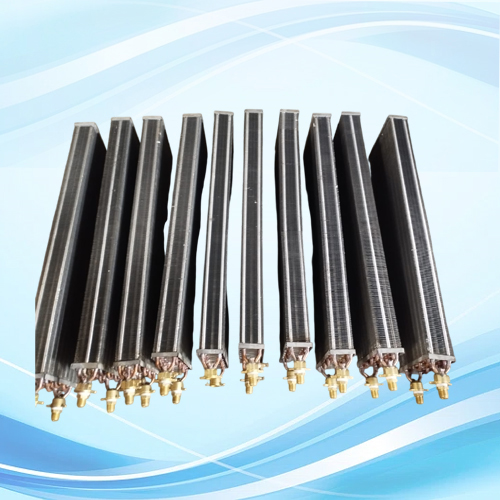
Product Overview
Condenser Coil in Rajasthan
A condenser coil is an essential heat-exchange component in air-conditioning and refrigeration systems. It transfers heat from the refrigerant to the surrounding air or another cooling medium, allowing the refrigerant to condense and continue through the refrigeration cycle. The coil’s design, material, dimensions, and operating conditions influence heat-transfer performance and overall system reliability.
Konark India Engineering offers HVAC engineering solutions for commercial and industrial requirements. When selecting a Condenser Coil in Rajasthan, buyers should consider the required heat-rejection capacity, refrigerant compatibility, airflow, installation space, and environmental conditions. Selecting a coil that matches the complete system helps support dependable operation and easier maintenance.
Understanding Condenser Coils
A condenser receives high-pressure, high-temperature refrigerant vapour from the compressor. As heat is removed through the coil, the refrigerant condenses into a liquid before moving towards the expansion device. This process is necessary for the refrigeration cycle to continue.
A Condenser Coil in Rajasthan may be required for a new HVAC installation, a replacement project, or an equipment upgrade. The correct selection depends on the system’s cooling load, compressor characteristics, refrigerant, design temperatures, and available heat-rejection medium.
An HVAC Condenser Coil is generally selected as part of the complete air-conditioning system. Its performance depends on more than the coil itself: fan capacity, airflow distribution, refrigerant flow, ambient temperature, and the installation environment can all affect heat transfer.
Types and Construction of Condenser Coils
Condenser coils are available in different configurations according to equipment design and application requirements. Air-cooled designs typically use tubes and fins to transfer heat to moving air, while other systems may use a different heat-rejection arrangement.
Key construction considerations include:
-
Tube material: Must suit the refrigerant, operating pressure, temperature, and application.
-
Fin material and geometry: Influence the available heat-transfer area, airflow resistance, and cleaning requirements.
-
Coil dimensions: Must fit the equipment while providing the required heat-transfer surface.
-
Circuit arrangement: Should support appropriate refrigerant distribution for the intended operating conditions.
-
Frame and mounting: Must be compatible with the equipment’s structure and installation requirements.
-
Service access: Should allow inspection and cleaning without unnecessary difficulty.
A Refrigeration Condenser Coil must be compatible with the equipment in which it will operate. Material selection and design should be confirmed against the actual refrigerant and system specifications rather than assumed from general industry practices.
Applications of Condenser Coils
A Condenser Coil in Rajasthan may be suitable for several types of HVAC and refrigeration equipment, depending on the required design and operating conditions. Common applications include:
-
Commercial air-conditioning systems
-
Industrial refrigeration equipment
-
Refrigeration condensing units
-
Cold-storage and temperature-controlled facilities
-
Packaged cooling equipment
-
HVAC maintenance, replacement, and upgrade projects
The right coil depends on the operating environment and the equipment’s heat-rejection requirements. Outdoor installations may face dust, high ambient temperatures, restricted airflow, and exposure to weather. These factors should be considered when selecting materials, fin arrangements, and maintenance provisions.
For replacement projects, buyers should verify the existing coil’s dimensions, connection locations, refrigerant, pressure requirements, and capacity. A coil that fits physically may still be unsuitable if its heat-transfer performance or refrigerant circuit differs from the original design.
Condenser Coil Manufacturer in Rajasthan
When evaluating a Condenser Coil Manufacturer in Rajasthan, buyers should focus on technical suitability, accurate dimensions, material compatibility, and the ability to clarify project requirements. Clear specifications help reduce the risk of selecting a coil that does not match the equipment or intended operating conditions.
Before placing an enquiry, prepare the following information wherever available:
-
Required heat-rejection capacity and design conditions
-
Refrigerant type and operating pressure
-
Entering-air temperature and expected airflow
-
Coil length, height, depth, and number of rows
-
Tube and fin material requirements
-
Connection sizes and positions
-
Equipment details, drawings, or photographs
Konark India Engineering can discuss the application and the technical details needed to assess a suitable configuration. Product dimensions, available materials, and performance parameters should be confirmed before finalising the specification.
Condenser Coil Supplier in Rajasthan
A Condenser Coil Supplier in Rajasthan should help buyers identify the information needed for a compatible supply. This is particularly important for industrial and commercial projects where equipment downtime, installation constraints, and technical requirements can affect procurement decisions.
When comparing a Condenser Coil Supplier in Rajasthan, review the quoted specifications rather than considering price alone. Confirm the coil dimensions, materials, refrigerant compatibility, connection arrangement, required documentation, inspection scope, and expected delivery schedule.
For replacement orders, share the existing equipment model and available coil details. For new installations, provide the system designer’s technical schedule where possible. These details make it easier to clarify requirements and compare quotations on a consistent basis.
Factors Affecting Coil Performance
The performance of a condenser coil depends on the complete system and the conditions in which it operates. Important factors include:
-
Ambient temperature: Higher outdoor temperatures can reduce the temperature difference available for heat rejection.
-
Airflow: Obstructed airflow or inadequate fan performance can affect heat transfer.
-
Surface cleanliness: Dust and debris on the coil can restrict airflow and reduce heat exchange.
-
Refrigerant conditions: Incorrect charge, flow restrictions, or other system faults may affect condensing performance.
-
Installation clearances: Poor placement can cause hot discharge air to recirculate through the coil.
-
Maintenance practices: Regular inspection helps identify damage, corrosion, and airflow problems.
Selecting a Condenser Coil in Rajasthan with the operating environment and service requirements in mind can support more dependable performance. However, persistent cooling issues should be diagnosed across the complete refrigeration system rather than attributed to the coil without inspection.
Maintenance and Inspection
Routine inspection is important for maintaining heat-transfer performance. Check the coil surface for dust, bent fins, corrosion, physical damage, and airflow obstructions. Keep surrounding clearances unobstructed and inspect fans and other associated components according to the equipment manufacturer’s maintenance schedule.
Cleaning methods should be appropriate for the coil materials. Excessive water pressure and unsuitable chemicals may damage fins or protective coatings. Refrigerant-side work and pressure testing should be performed by qualified personnel using procedures appropriate to the equipment.
Frequently Asked Questions
1. What is the purpose of a condenser coil?
A condenser coil releases heat from refrigerant so that refrigerant vapour can condense into liquid during the refrigeration cycle.
2. What is the difference between a condenser coil and an evaporator coil?
A condenser coil rejects heat from the refrigerant, while an evaporator coil absorbs heat from the space or process being cooled.
3. How do I select the right condenser coil?
Consider the required heat-rejection capacity, refrigerant, operating pressure and temperature, airflow, dimensions, material compatibility, and installation conditions. The selection should be checked against the complete system design.
4. Can a condenser coil be replaced with a different model?
A replacement may be possible if its capacity, refrigerant compatibility, pressure rating, dimensions, circuit arrangement, and airflow characteristics meet the equipment requirements. A dimensional match alone is not sufficient.
5. How can condenser coil efficiency be maintained?
Keep the coil clean, maintain adequate airflow, inspect fins and fans, and follow the equipment manufacturer’s maintenance recommendations. Persistent performance issues require proper system diagnosis.
6. What details are needed for a condenser coil enquiry?
Provide the application, equipment model, required capacity, refrigerant type, coil dimensions, connection details, and available drawings or photographs.
What Our Clients Say
Trusted by businesses across India for reliable HVAC solutions and support.
Condenser Coil Available Across Locations
Common
Questions
Find answers to common questions about our HVAC products, manufacturing process, and services.
Ask a Question